
Operational Excellence in Warranty Tracking and Service Cost Management
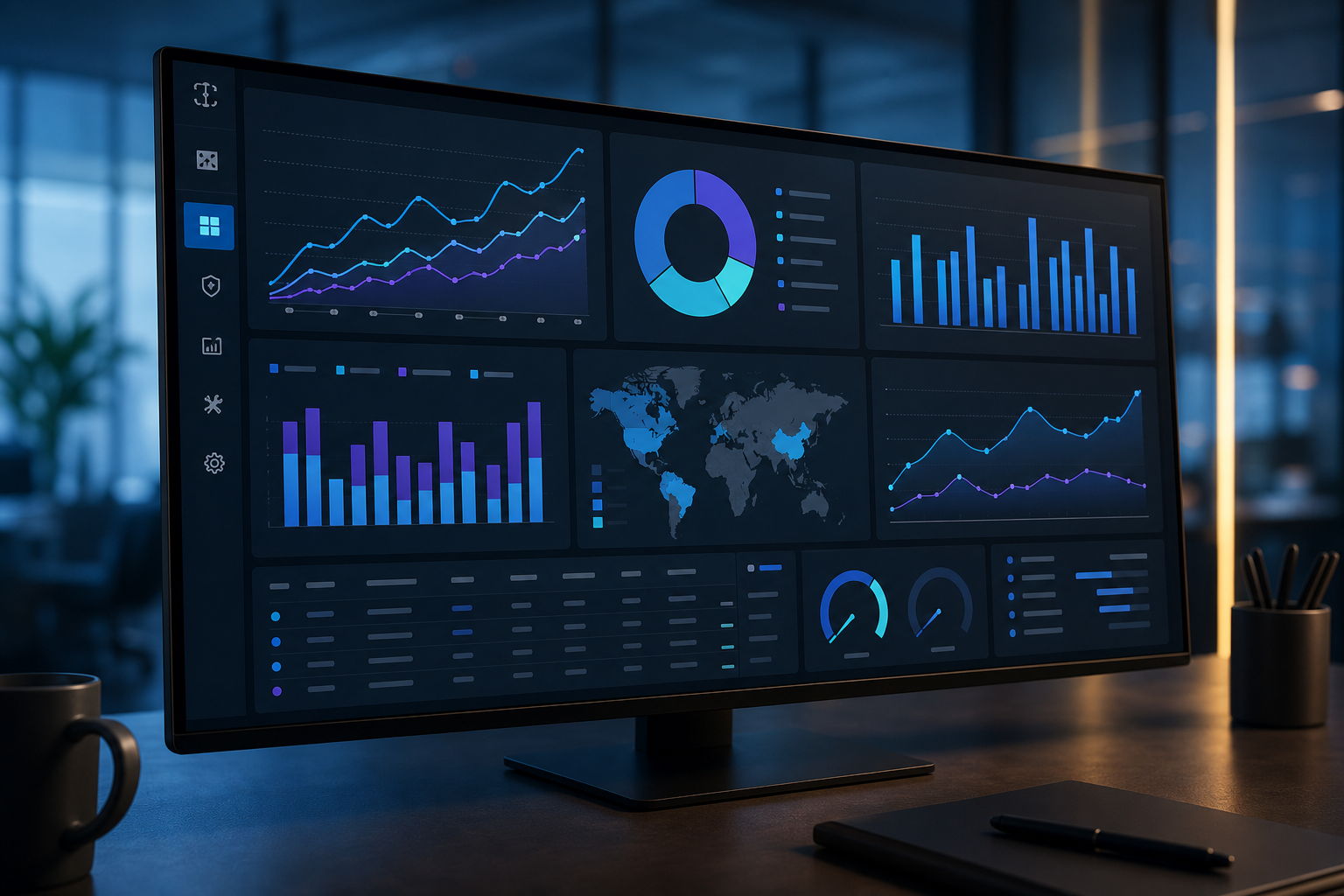
Strategic importance and digital solution pathways for warranty tracking and service cost breakdown to optimize device-based life cycle costs in industrial facilities.
In modern industrial facilities, the continuity of energy-intensive equipment and production lines determines not only operational efficiency but also direct profitability. However, for many businesses, the hidden cost item is not the purchase price of the equipment, but the service and maintenance expenses incurred during the operation period. Failure to manage warranty processes correctly leads to out-of-warranty payments and incorrect calculation of device-based Life Cycle Costs (LCC). AI-powered platforms like ServisSoft aim to eliminate this complexity by monitoring the warranty status of each asset in real-time and preventing financial leaks by verifying service invoices.
Understanding Warranty Types: Manufacturer vs. Extended Warranty
One of the most common mistakes in industrial asset management is evaluating all warranty processes in a single bucket. However, strategic cost management begins with a sharp breakdown of warranty types.
Manufacturer Warranty (Standard Warranty)
This process, which usually covers 12 or 24 months from the delivery of the equipment, covers production errors and part defects. In energy infrastructure projects subject to EPDK (Enerji Piyasası Düzenleme Kurumu - Energy Market Regulatory Authority) standards or heavy industry investments, the start date of this warranty should generally match the "provisional acceptance" date. Incorrect date entries may lead to the expiration of the warranty period at a time when the facility is not yet operating at full capacity.
Extended Warranty and SLA Integration
Extended warranties are policies that usually take effect after the manufacturer's warranty expires and are purchased for an additional cost. The critical point here is to check whether the scope is narrowed down. Some extended warranties may cover only main components while excluding consumables and labor. When digital twins of these scopes are created on ServisSoft, the system automatically verifies whether the relevant item is within the scope as soon as a breakdown record is opened.
Warranty Scope Verification: Preventing Erroneous Billing
Thousands of service receipts are issued every year in large-scale factories. In manual tracking systems, it is quite common for a spare part or labor that is under warranty to be reflected in the invoice. This situation creates an "invisible loss" ranging between 5% and 15% in annual maintenance budgets.
- Automated Verification: When a service record is created, the system must query the warranty expiration date and scope via the serial number.
- Out-of-Scope Exceptions: Whether the warranty is voided due to user error or lack of periodic maintenance must be proven with past maintenance records (logs).
- Preventing Double Billing: If service is called again for the same malfunction within a short period, the system should flag this as a "repeated failure" and evaluate it as an in-warranty (re-work) service.
Case Study: Warranty Optimization in a Textile Factory
Scenario: A business with an annual group of 500 motors and pumps performs warranty tracking via Excel. During an audit, it was determined that a total of 450,000 TL in service and part payments were made for 22 malfunctions that should have been under warranty in the last 12 months.
Solution: The business switched to the ServisSoft platform and moved all its assets to a QR-code-supported system. The following year, no payments were made for any malfunctions within the scope of the warranty; furthermore, thanks to "in-warranty/out-of-warranty cost breakdown," it was reported based on data which brands failed more frequently. Result: 12% direct savings in maintenance costs.
Why is Device-Based Life Cycle Cost (LCC) Important?
Procurement departments often tend to choose the machine with the lowest bid. However, Life Cycle Costing (LCC) calculates the sum of energy consumed, service costs, and downtime over the life of a device. Regulations such as CBAM (Carbon Border Adjustment Mechanism) and CSRD (Corporate Sustainability Reporting Directive) now mandate companies to manage their assets based not only on financial performance but also on environmental performance.
Strategic Use of Warranty Data
Frequent failures of a device during the warranty period are the biggest indicator that the device will become a serious cost burden for the business after the warranty expires. Thanks to ServisSoft reporting, chronically malfunctioning devices defined as "Bad Actors" are identified, and renewal investments (CAPEX) are planned according to this data.
Separating Service Costs: Accounting and Technical Compliance
For energy and facility managers, it is critical to collect service costs under these three main headings:
- Reactive Maintenance Costs: Sudden failure expenses that fall outside the scope of the warranty.
- Preventive Maintenance Costs: Planned service and consumable expenses.
- Repairs Under Warranty: Interventions that the business does not pay for but must be recorded in the equipment history.
This breakdown ensures that Cost Centers are managed correctly. Especially in multi-location businesses, it can be monitored which region uses its warranty rights more effectively.
Frequently Asked Questions (FAQ)
How long does it take for warranty tracking software to provide a return on investment (ROI)?
In a facility with an average of 500+ assets, the software investment usually pays for itself within the first 6 to 9 months, thanks to the prevention of erroneous billing and the tracking of in-warranty part replacements.
How does the extended warranty process affect energy efficiency?
Extended warranties usually require periodic maintenance to be performed regularly. Regularly maintained equipment operates close to the optimum efficiency point. This indirectly contributes to reducing the carbon footprint in energy-intensive facilities within the scope of EPİAŞ (Enerji Piyasaları İşletme A.Ş. - Energy Exchange Istanbul) and ETS (Emission Trading System).
Is it possible to prevent erroneous billing with manual methods?
While possible in small-scale businesses, manual tracking is very open to human error in complex structures with hundreds of pieces of equipment and dozens of different service providers. Digital systems match the invoice issued by the service provider with the warranty data in the system, reducing the margin of error to zero.